 blog
What Makes a Great Family Pizza Restaurant?
Last Updated: November 24, 2026
Quick Summary
A great family pizza restaurant gets four things right: hot food, kid-friendly seating, a menu that covers every eater at the table, and a fair total bill. Look for takeout and delivery options, crust and topping swaps for dietary needs, and deals you can check by cost per slice. A good family pizza night starts with confirming the delivery window, hours, gluten-free crust availability, and what happens if the order comes out wrong.
- There were 75,664 U.S. pizza restaurant businesses in 2026, up 1.3% from 2025.
- Toddlers typically last 45 to 60 minutes in a booth before the novelty wears off.
- A large pizza yields eight slices; school-age kids eat two to three and teens four to five.
- Convert every deal to cost per slice, then add the sides you would need to buy.
- A party of ten usually needs four to five large pizzas plus sides.
Table of Contents
- What Should Families Look for in a Family Pizza Restaurant?
- Finding Family Pizza Restaurants Near Me: A Practical Checklist
- Kid-Friendly Pizza Restaurants: Age-by-Age Suitability
- Family Pizza Deals: How to Judge Whether a Discount Is Real Value
- Pizza for Family Gatherings: Ordering Enough Without Overbuying
- What to Check Before You Order Tonight
- Frequently Asked Questions
What Should Families Look for in a Family Pizza Restaurant?
A great family pizza restaurant is one where the food arrives hot, the seating works for kids, the menu covers every eater at the table, and the total bill feels fair for what you got. According to IBISWorld's count of U.S. pizza restaurants, there were 75,664 pizza restaurant businesses in 2026, up 1.3% from 2025. That is a lot of choices, and most of them will not suit a family dinner. At Wana Pizza, we have watched families order the same way for years: they want predictability, variety, and a price that does not sting. Below, we break down the four things that actually separate a good family pizza restaurant from a forgettable one.
Service Style: Dine-In, Takeout, and Delivery
Service style decides how the night goes before the food even matters. Takeout and delivery suit families who want to eat at their own kitchen table with no cleanup. Delivery is convenient on busy weeknights when the pizza shows up hot and on time. Check each option against your family's real schedule. A restaurant that does all three well is worth keeping in rotation.
Menu Range: Crusts, Toppings, and Dietary Needs
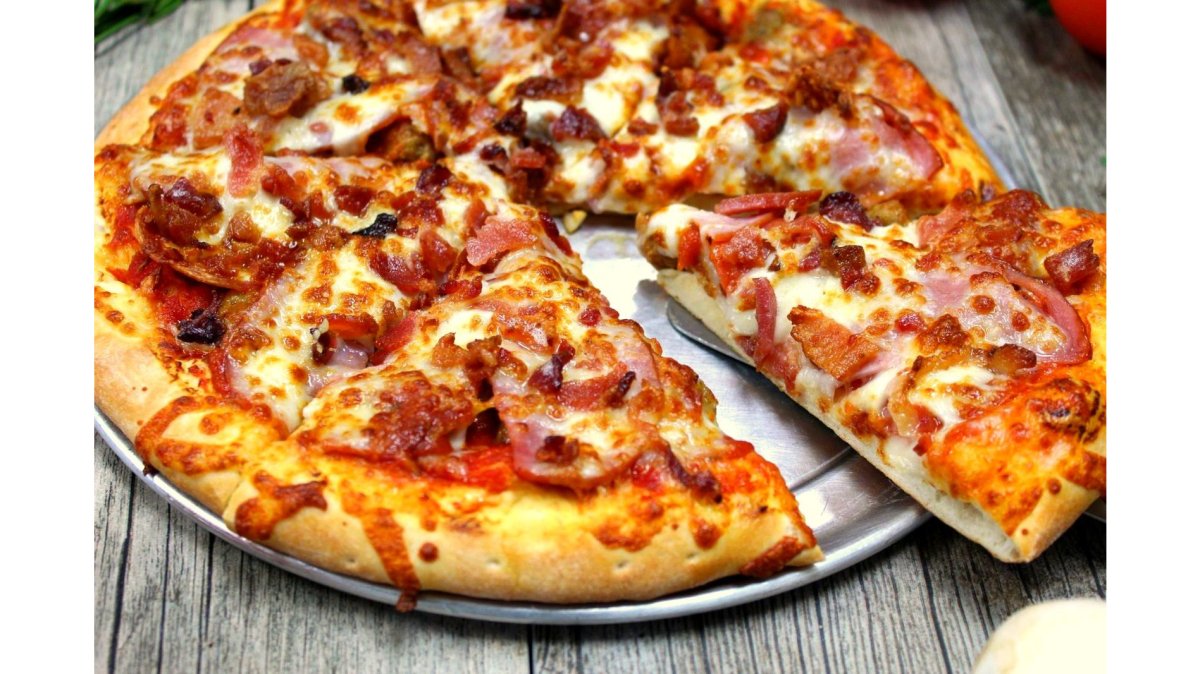
Menu range is where most family pizza decisions are won or lost. One kid wants plain cheese, another has a gluten sensitivity, and an adult wants something with actual vegetables on it. Look for a place that lets you build your own pizza and offers crust choices rather than a fixed list of specialty pies. You can see the full spread of specialty pizzas, build-your-own options, bread sticks, wings, calzones, and dessert on our menu. If you are managing picky eaters at home, this guide on how to customize pizza for picky eaters walks through the same approach we use at the counter.
Finding Family Pizza Restaurants Near Me: A Practical Checklist
Searching for family pizza restaurants near me works better with a checklist than with a scroll through reviews. Use these tests before you commit to a new place:
- Does it offer takeout and delivery, so you can match the option to the night?
- Can you see the menu and prices online before you order?
- Are there crust and topping swaps for dietary needs?
- Do reviews mention hot food and accurate order times, not just taste?
- Is there a kids' option or family deal that fits your budget?
Local roundups help too. This list of affordable family dinner spots in Hebron gives you real options to run through the checklist, and it saves you from guessing at random.
Kid-Friendly Pizza Restaurants: Age-by-Age Suitability
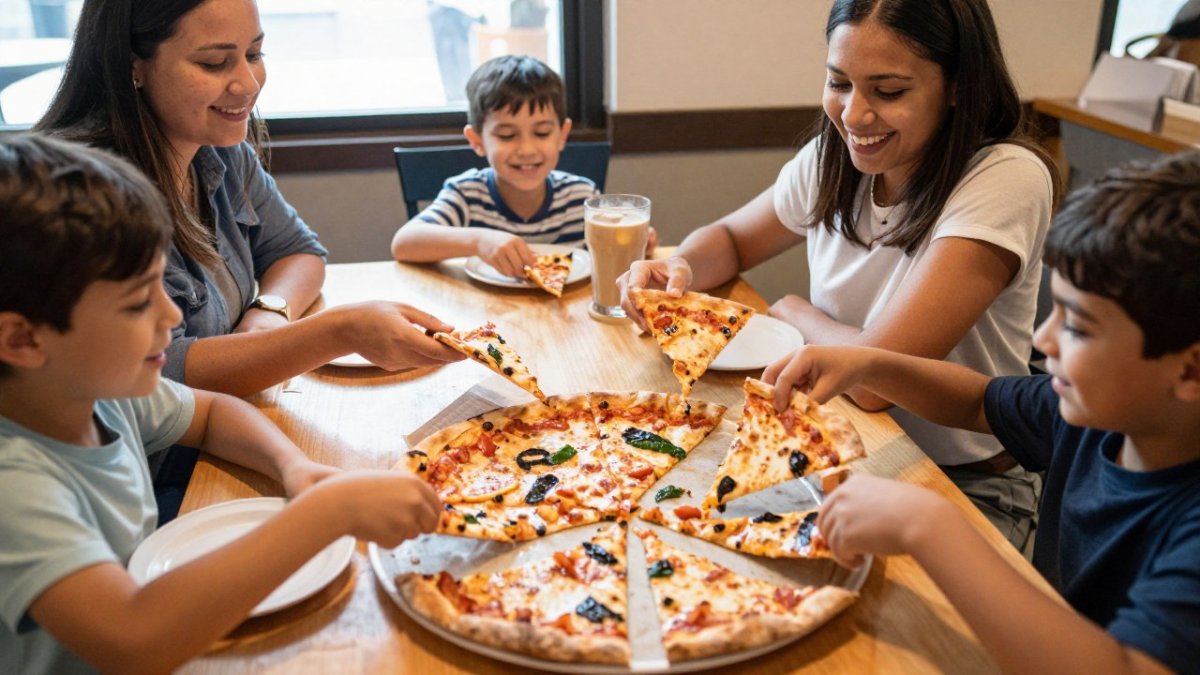
Age changes what "kid-friendly" means, and most restaurant roundups skip that distinction. A restaurant that works for a four-year-old can fall flat with a twelve-year-old, and the reverse is just as true. Instead of a single kid-friendly label, judge each place against the practical features that matter at each stage: seating support, noise tolerance, menu flexibility, wait tolerance, and portion size. Here is how to run that check.
Toddlers and Preschoolers
At this age, the visit succeeds or fails on logistics before the food arrives. Confirm three things when you call or check the website: whether high chairs and booster seats are available and how many, whether the dining room has a quieter section away from the door and the kitchen pass, and how long the current wait is. A common pattern is that casual pizza places turn tables quickly, so a 15-to-20-minute quoted wait often runs shorter, but a Friday at 6:30 p.m. can double it. Order cheese or a single topping and ask for the pie cut into smaller pieces; most kitchens will do this on request. Keep the meal short, toddlers typically last 45 to 60 minutes in a booth before the novelty wears off.
School-Age Kids and Teens
Older kids care about choice, portion size, and whether they feel treated like a customer rather than a tag-along. Build-your-own pizzas let them pick their own toppings, which heads off the "I don't like that" argument before it starts. Teens eat more, so plan for extra slices and a side of bread sticks or wings. A large pizza typically yields eight slices; a school-age child usually eats two to three, and a hungry teenager can clear four to five. That math matters when you are deciding between two mediums and one large.
A Quick Age-by-Age Checklist
- Toddlers: confirm seating options, food cut small, visit under an hour.
- Preschoolers: simple topping, easy exit path.
- School-age: build-your-own option, portion math for two to three slices.
- Teens: four to five slices budgeted, plenty of food to share.
Run this checklist against any candidate before you go, and the age question stops being a guess.
Match the visit to your child's age with these practical expectations.
| Age group | Slices to plan | Key practical focus |
|---|---|---|
| Toddlers | Not specified | Seating options, food cut small, visit under an hour |
| Preschoolers | Not specified | Simple topping, easy exit path |
| School-age kids | Two to three slices | Build-your-own option, portion math |
| Teens | Four to five slices | Plenty of food to share |
Family Pizza Deals: How to Judge Whether a Discount Is Real Value
A discount is only a deal if the food still fills everyone up, and the only reliable way to know is to convert every offer to the same unit: cost per slice, plus the cost of the sides you would have to add. Most family deals are priced to look generous on the sticker and thin out once you do that math. Here is the framework we use at the counter.
Step 1: Convert Every Offer to Cost per Slice
Take the deal price and divide by the total number of slices included. Run this division on every offer before you compare anything else. Pricing depends on quantity, dates, and delivery, so check Wana Pizza's website for current prices or a quote.
Step 2: Add the Sides You Actually Need
A deal that includes bread sticks and a two-liter drink is worth more than a percentage-off coupon that leaves you buying those separately. Price the sides on their own and add that to the coupon total before you compare.
Step 3: Check the Portion Math Against Your Family
Multiply the slice count by what each person eats, and match the order to your actual headcount. Leftovers are not waste if they become lunch, but they are waste if they sit in the fridge. Match the bundle to your actual headcount rather than the biggest advertised number.
Step 4: Confirm What the Deal Excludes
Read the fine print on delivery fees, minimum order thresholds, and whether the deal applies to carryout only. A carryout-only deal may not help if you were planning delivery, since delivery fees and tips add to the total. Also check whether premium toppings or gluten-free crust carry a surcharge that the deal price does not cover.
A Simple Value Score
For each candidate deal, write down four numbers: total price, total slices, cost per slice, and cost of required add-on sides. The offer with the lowest combined cost per slice plus sides, at a portion size that matches your family, is the real value. That four-number comparison beats any sticker price, and it takes about two minutes.
Pizza for Family Gatherings: Ordering Enough Without Overbuying
Ordering for a group comes down to one number: how many slices each person will eat. Kids eat two to three slices, adults eat three to four, and hungry teenagers can clear five. A large pizza typically yields eight slices, so a party of ten usually needs four to five large pizzas plus sides. Our party calculator lets you enter your guest count and party type and get a recommended order with an estimated total, which takes the guesswork out of birthdays and team lunches. When in doubt, order one extra pizza. Leftovers beat a house full of hungry guests.
What to Check Before You Order Tonight
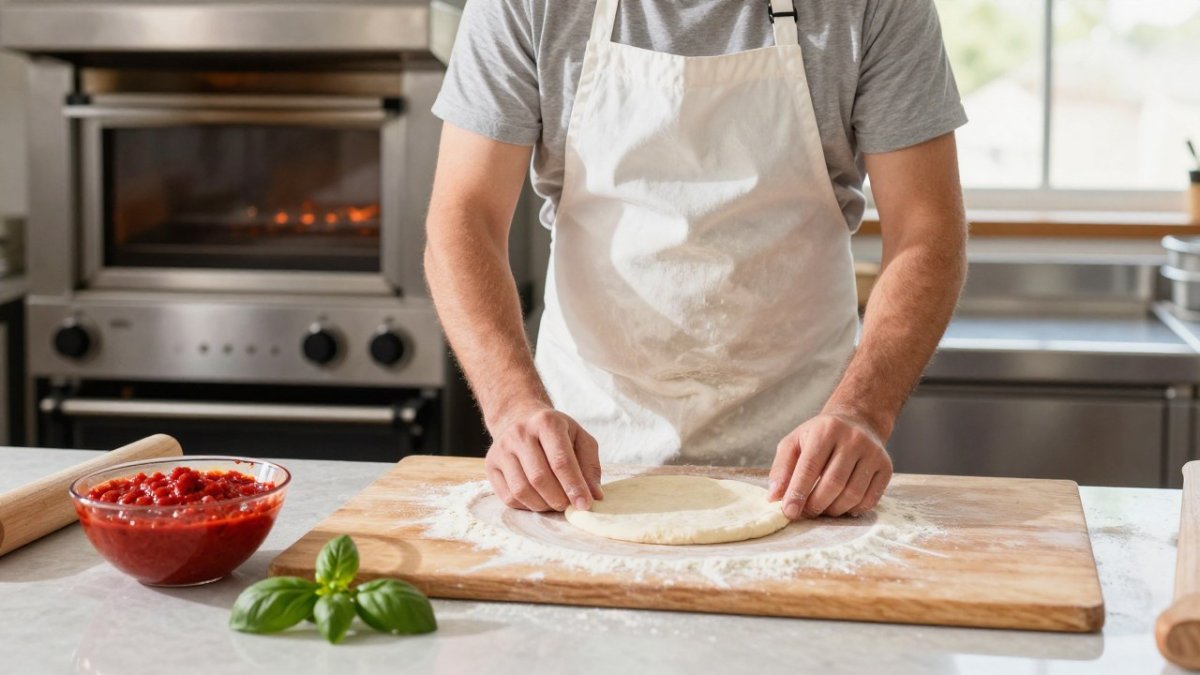
Before you place an order, confirm four things: the delivery window, the current hours, whether a gluten-free crust is available, and what happens if the order comes out wrong. A quick call or a look at the frequently asked questions answers all four in a couple of minutes. That small check is what keeps a family pizza night from turning into a phone call and a wait. At Wana Pizza, we hand-toss our dough fresh and build every pie with our signature sweet sauce and garlic butter crust, so the pizza that reaches your door is the one you actually ordered. If something is off, tell us and we will make it right.
Family dinner should not require a spreadsheet and a backup plan. Wana Pizza makes it simple with hand-tossed dough, fresh ingredients, and a menu built for customizing every pie to every eater at the table. Order online for delivery or carryout and get a hot, fresh pizza without the guesswork.
Frequently Asked Questions
What should families look for in a family pizza restaurant?
Start with service style: dine-in, takeout, and delivery all suit different nights. Check whether the menu handles different preferences, like a plain cheese pie for picky eaters alongside specialty options for adults. Confirm dietary flexibility, since crust and ingredient swaps matter for gluten sensitivity or vegetarian diets. Finally, ask how long delivery actually takes and what the policy is if an order arrives wrong. A family pizza restaurant that answers all four clearly is usually a safe bet for repeat orders.
Where can families get pizza for takeout or delivery?
Most family pizza restaurants near you offer takeout and delivery alongside dine-in, but availability varies by location and delivery area. When comparing options, confirm the delivery radius, the quoted time window, and whether the pizza travels in insulated packaging so it arrives hot. For busy weeknights, takeout with a set pickup time often beats delivery. If you need reliability for a specific window, call ahead and ask what the shop guarantees rather than relying on a generic estimate.
How much pizza should I order for a family?
A common rule of thumb is two to three slices per adult and one to two per child, which works out to roughly one large pizza per two adults plus a smaller pie for kids. For a family gathering with mixed ages, round up: a 15-person party typically needs about six to eight large pizzas, plus sides. Ordering a couple of plain cheese pies alongside specialty options covers picky eaters without waste. If you are unsure, call the shop and describe your group size.
What are good pizza options for a family with different preferences?
Build the order around a base everyone accepts, usually a plain cheese or pepperoni pie, then add one or two specialty pizzas for adults who want more. Ask whether the restaurant allows half-and-half toppings so one pizza serves two camps. For dietary needs, check whether crusts and ingredients can be customized, since gluten-sensitive family members and vegetarians often need swaps. A kid-friendly pizza restaurant will walk you through substitutions without treating it as a hassle.