 how-to
Are Fresh Ingredients in Pizza Delivery Worth It?
Last Updated: November 4, 2026
Quick Summary
Fresh ingredients in pizza delivery are worth it because dough and toppings prepared close to the bake hold their structure and flavor through 15 to 35 minutes in a hot bag, while frozen or pre-portioned components fail faster. The key is sequencing: bake sturdy, low-moisture toppings and send delicate items like basil, arugula and burrata on the side.
- A delivered pie spends 15 to 35 minutes in a hot bag before it reaches your door.
- Long fermentation produces a drier, more resilient dough that survives the delivery bag.
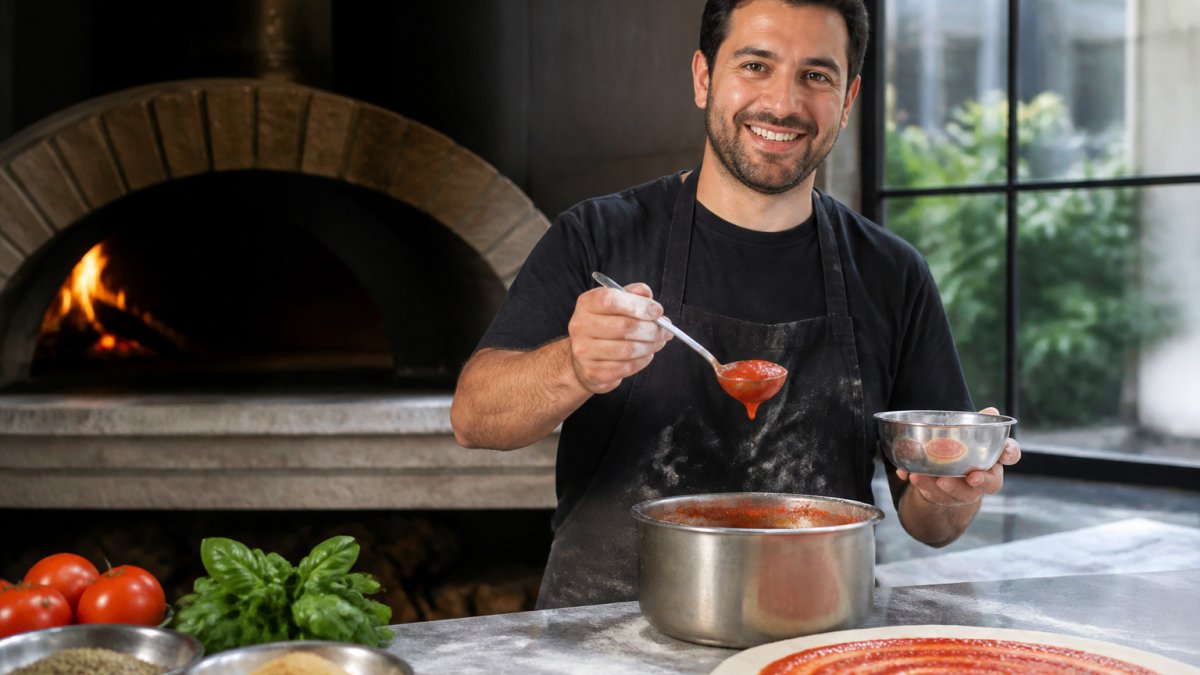
- Ask whether dough is mixed on site, sauce built from whole tomatoes and vegetables cut daily.
- A fully sealed, unvented box traps steam and turns a crisp crust soggy in under ten minutes.
- A pie that travels 20 minutes is a different product from one that travels 45.
Table of Contents
- Why Fresh Ingredients in Pizza Delivery Change Everything
- Fresh Pizza Dough: The Foundation of a Crispy Crust
- Fresh Pizza Toppings: Sourcing Premium Components
- Pizza Delivery Freshness: Heat Retention and Moisture Control
- Pizza Made to Order: What Customization Really Means
- Packaging and Shelf-Life: Protecting Ingredient Integrity
- Ordering Fresh Pizza for Delivery Tonight
- Frequently Asked Questions
Why Fresh Ingredients in Pizza Delivery Change Everything
Pizza is one of the most popular foods in the United States, and most delivery pies are built for the drive, not for the plate.
Fresh ingredients in pizza delivery means components prepared close to the bake and protected through transit, rather than frozen or pre-portioned weeks earlier, the difference between dough mixed this morning and dough that thawed this morning.
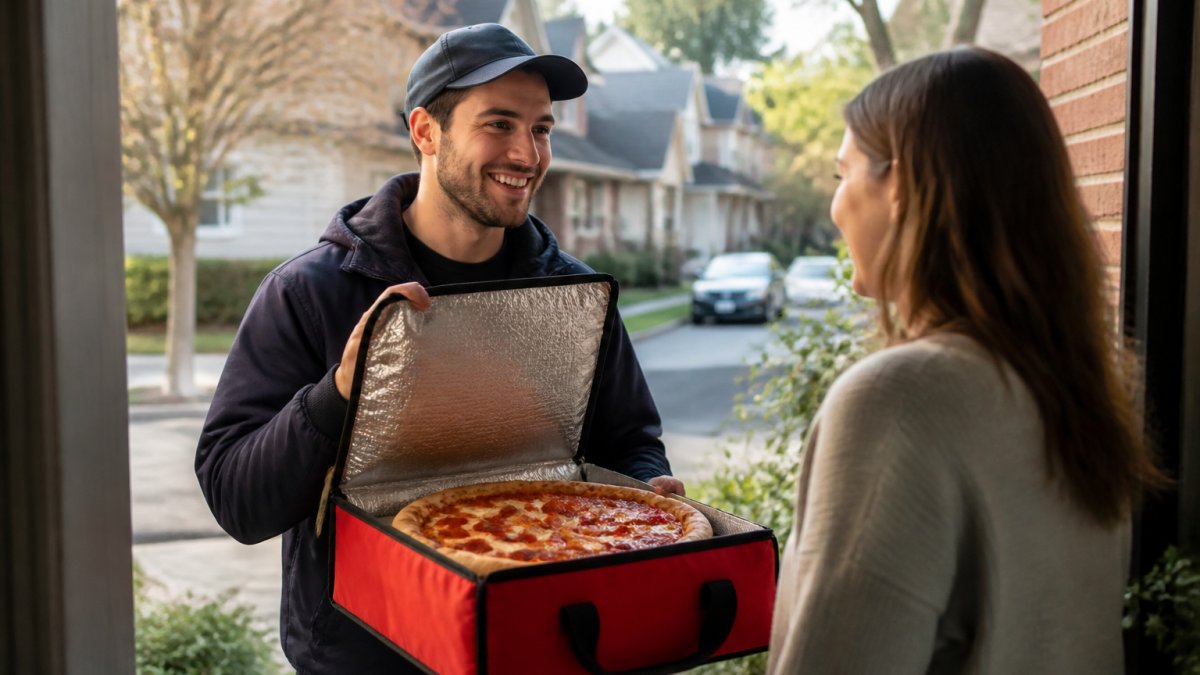
The stakes are physical, not marketing. A pie spends 15 to 35 minutes in a hot bag before it reaches your door, and every one of those minutes works against crust crispness.
Fresh Pizza Dough: The Foundation of a Crispy Crust
Fresh pizza dough is a living product: flour, water, yeast, sugar and salt that has had time to develop before it hits the oven.
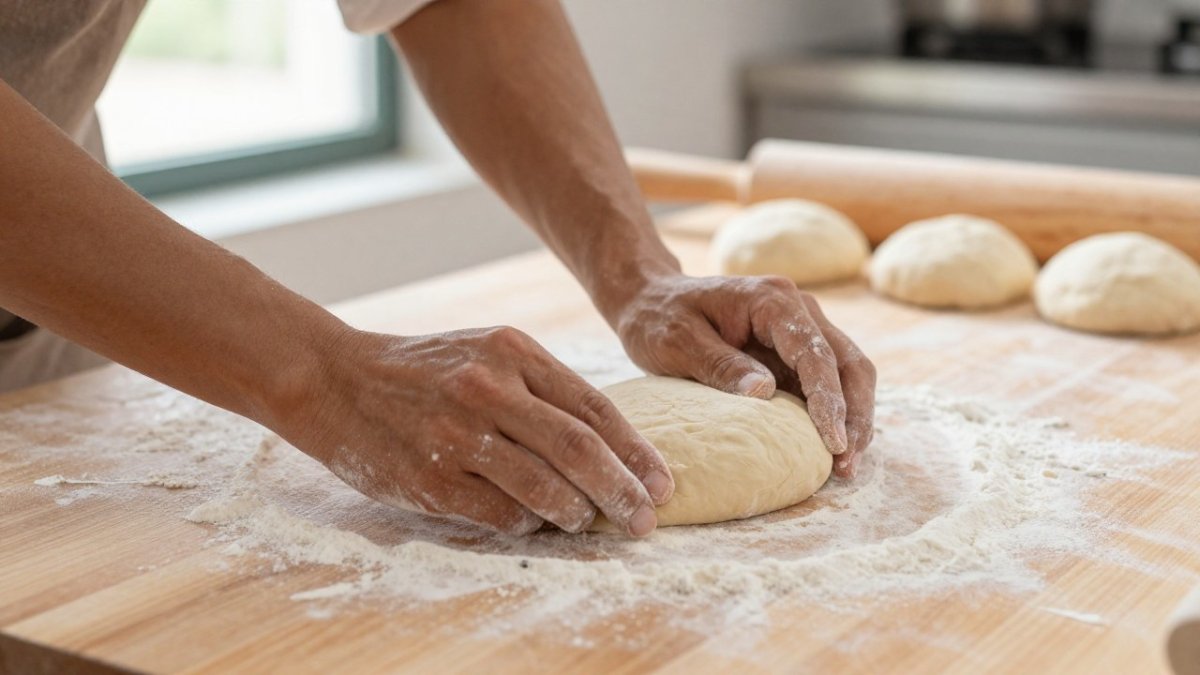
Dough is the single biggest factor in whether a delivered pizza arrives crisp or soggy. A properly developed dough holds its structure under sauce, cheese and toppings.
If you want to see exactly what goes into ours, Better Flour.Better Crust. lays out the full ingredient list.
How Fermentation Builds Flavor Before the Bake
Fermentation is the slow work that gives crust its tang and its structure. During a long ferment, yeast produces carbon dioxide that stretches the gluten network, plus organic acids that create flavor complexity you cannot fake with additives.
A longer ferment also produces a drier, more resilient dough, a crispy crust that survives the delivery bag instead of steaming in it.
Fresh Pizza Toppings: Sourcing Premium Components
Fresh pizza toppings are components sourced and prepped for their flavor profile, not their freezer life. The quality gap between a fresh-cooked topping and a processed one shows up most in texture and moisture.
Sourcing is where culinary standards get tested. Ingredients such as San Marzano tomatoes, extra virgin olive oil and whole-milk mozzarella behave differently under heat than their processed equivalents.
What separates a serious sourcing program from a fresh-sounding one is specificity. The same attention to pack dates and daily preparation can clarify what freshness means beyond pizza, where fresh delivered sourdough makes timing and handling just as worth asking about.
Seasonality is the honest trade-off.
Spotting Fresh vs. Processed Ingredients
The processed vs fresh question is answerable before you take a bite. Use this checklist:
- Cheese stretches in a continuous pull rather than breaking into rubbery strands
- Vegetables still have bite and color instead of a uniform, waterlogged softness
- Meat toppings taste of the meat, not of salt and smoke flavoring
- Crust underside is dry and blistered, not pale and damp
- Sauce tastes tangy and bright rather than sweet and flat
One insider note: post-bake application of fresh items like basil or a finishing drizzle of olive oil protects delicate flavors that would otherwise scorch. It is a small culinary technique with an outsized effect on gastronomy.
Which Fresh Toppings Survive Delivery, and Which Should Wait
This is the part most guides skip. Fresh toppings do not all age the same way in a hot bag, and treating them as one category is how a well-sourced pie arrives disappointing.
Add post-delivery or at the door (fragile, heat-sensitive):
- Arugula and other tender greens, they wilt and turn bitter within minutes of contact with a hot crust. Ask for them on the side or applied at the pass.
- Fresh basil, scorches and turns black against a 500°F+ deck; it belongs after the bake, not before.
- Balsamic glaze and finishing oils, a drizzle applied before transit spreads, soaks the crust, and turns a crisp bottom soft. Request it on the side.
- Burrata and fresh ricotta dollops, they weep whey under sustained heat; a post-delivery finish keeps their texture intact.
- Prosciutto and other cured meats, they dry out and toughen in a hot box; layering them after the bake preserves their silkiness.
Safe to bake and travel (sturdy, low-moisture):
- Low-moisture mozzarella, the workhorse of delivery pizza precisely because it does not release a puddle of water.
- Pepperoni, sausage and other cooked meats, they reheat well and their fat carries flavor through the ride.
- Roasted peppers, onions and mushrooms, roasting drives off water before the pie ever sees the box.
- Sun-dried tomatoes and olives, concentrated, low-moisture, and stable under heat.
Handle with care (fresh but wet):
- Fresh mozzarella, delicious, but it releases water; it needs a drier sauce and a vented box to avoid a soggy center.
- Fresh tomatoes, slice and drain them, or the crust pays for it.
- Pineapple and other high-water fruit, drain thoroughly and keep them off the center of the pie.
Watch out: ordering a pie loaded with fresh mozzarella, sliced tomatoes and arugula and expecting it to arrive crisp is a physics problem, not a freshness problem.
A pizzeria that understands this will often pack delicate garnishes separately without being asked. If yours does not, ask.
Pizza Delivery Freshness: Heat Retention and Moisture Control
Pizza delivery freshness comes down to two forces working against you: heat loss and moisture migration. Heat retention keeps cheese molten; moisture content control keeps the crust from steaming itself soft.
The delivery logistics problem is real.
That is not a reason to skip fresh toppings. For the full playbook, see how to keep pizza hot during delivery.
Watch out: a fully sealed, unvented box traps steam and turns a crisp crust soggy in under ten minutes. Venting matters as much as insulation.
Pizza Made to Order: What Customization Really Means
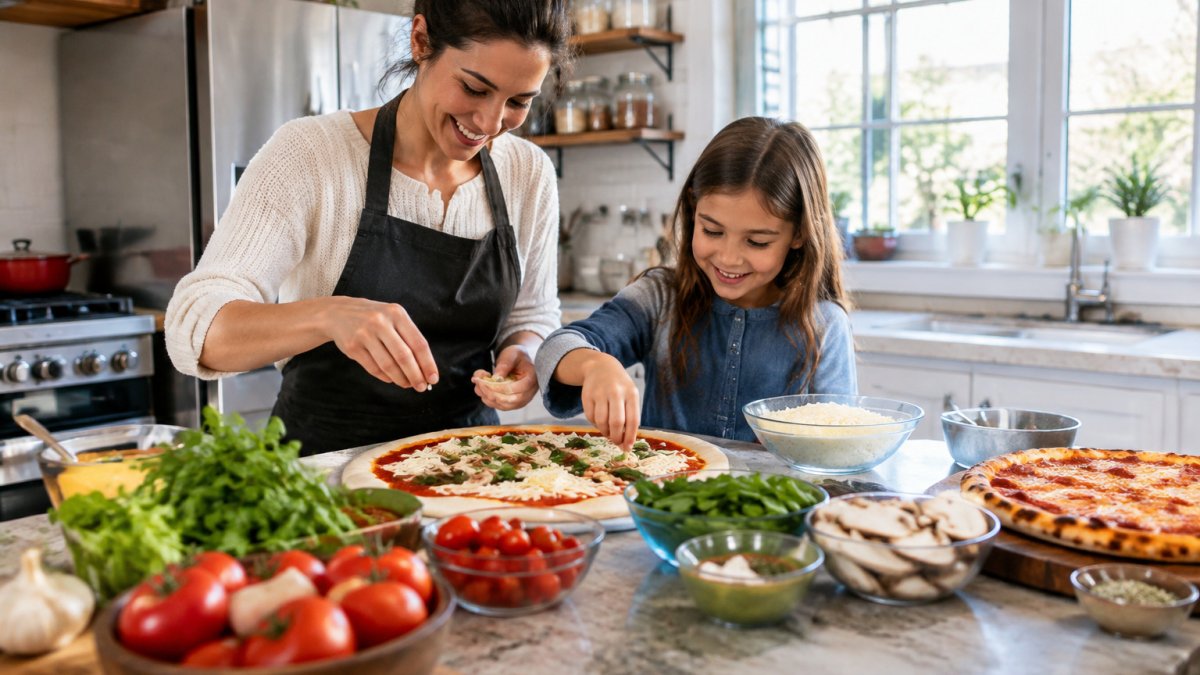
Pizza made to order means the pie is assembled after you order, not pulled from a warming rack. It is also the only way to match toppings and crust to a household with mixed preferences.
Customization is where a fresh operation separates itself from a fast one.
The trade-off is honest: made-to-order pies take longer than a slice pulled from a case. If you are ordering for a family with different needs, that extra time buys you a pizza everyone actually eats.
Packaging and Shelf-Life: Protecting Ingredient Integrity
Packaging is the least discussed and most decisive part of ingredient integrity. Thermal insulation slows heat loss; venting releases steam; a raised box liner keeps the crust off the cardboard. Together they buy the shelf-life a fresh pie needs to arrive intact.
The mechanism explains why two pizzerias with identical ingredients can deliver very different pies. Corrugated cardboard absorbs some of it, which is why a cheap box goes soft on the bottom before the top does. Venting, small holes or a gap at the lid, lets steam escape and keeps interior humidity lower.
The trade-off is real: every vent that releases steam also releases heat. A box that vents aggressively stays crisper but arrives cooler; a sealed box stays hotter but steams the crust.
The gap most guides miss is ingredient-specific shelf-life. A fresh-mozzarella pie and a cured-meat pie do not age the same way in transit.
A Consumer Checklist for Verifying Freshness When You Order
Supply chain transparency is the consumer-facing side of the same coin, and it is where you have the most leverage. The FDA's Food Traceability Rule requirements push food businesses to keep detailed records on certain foods so problems can be traced quickly.
Use this checklist the next time you order from a local delivery app or a neighborhood shop:
- Ask what is made in-house. Dough mixed on site, sauce built from whole tomatoes, and vegetables cut daily are the three signals that matter most. A shop that can answer all three without checking is usually telling the truth.
- Ask when produce is prepped. "This morning" and "daily" are good answers. "When it comes in" is a hedge.
- Look at the menu language. Specific names, San Marzano, whole-milk mozzarella, extra virgin olive oil, are verifiable claims. "Fresh ingredients" alone is marketing.
- Check whether delicate items are offered on the side. A kitchen that offers arugula or basil on the side understands delivery; one that refuses probably does not.
- Read recent reviews for texture words. "Crispy," "soggy," "fresh," "rubbery", a pattern of texture complaints is a packaging or sequencing problem, not a topping problem.
- Ask about the box. Venting and a raised liner are cheap to implement and rare to advertise. A shop that can describe its packaging has thought about the ride.
- Check delivery radius and timing. A pie that travels 20 minutes is a different product from one that travels 45. Shorter windows and tighter radii are freshness infrastructure too.
Watch out: a menu that lists fresh ingredients but cannot answer basic sourcing questions is usually buying pre-cut, pre-shredded, or pre-portioned product and finishing it in-house. That is not automatically bad pizza, but it is not what the menu implies.
Here is how the main freshness factors stack up:
| Factor | What It Protects | Fails When | Best Practice |
|---|---|---|---|
| Dough fermentation | Crust structure, flavor | Dough is rushed or frozen | Long, slow ferment before bake |
| Topping sourcing | Texture, flavor profile | Processed substitutes used | Fresh, whole ingredients prepped daily |
| Heat retention | Melt, warmth | Uninsulated or unvented box | Insulated bag plus vented lid |
| Moisture control | Crust crispness | Wet toppings sealed in | Drain vegetables, apply delicate items post-bake |
| Packaging | Ingredient integrity | Flat liner, no venting | Raised liner, vented box |
Ordering Fresh Pizza for Delivery Tonight
Ordering fresh pizza for delivery tonight works best when you know what to ask for: a made-to-order pie, a stated delivery window, and a crust built to travel. Wana Pizza serves local customers in Northwest Indiana, and we focus on fresh, hand-tossed dough.
Freshness is not a garnish. It is the product.
Start with our full menu to see Wana Pizza's signature pizzas, then order online. Have a question about delivery windows, hours or gluten-free crust? Our FAQ page answers the common ones before you call. Prefer to grab it yourself? Order fresh pizza for pickup tonight covers that route.
Frequently Asked Questions
How can you tell if pizza ingredients are fresh?
Look at the crust first. Fresh pizza dough bakes up light and airy with a crisp edge, while frozen or pre-made dough often tastes dense and uniform. Fresh pizza toppings hold their color and texture: bright San Marzano tomatoes, glossy mozzarella, and vegetables that still have bite. A pie made to order should arrive with distinct layers rather than a uniform, greasy surface, and the aroma should be fragrant rather than flat.
Does fresh dough make a difference in pizza?
Yes, and it shows up most in texture. Hand-tossed dough holds up well in the delivery box. Wana Pizza's hand-tossed dough earns praise from customers like Clare B., who described it as light, airy, and crispy on the edges. Pre-made or frozen dough tends to bake flat and turn soggy faster once it is sealed in a delivery bag.
How do you keep pizza fresh during delivery?
Pizza delivery freshness comes down to heat retention and moisture control. Insulated bags and vented boxes help keep the pie hot and the crust from turning soggy. High-moisture toppings like fresh mozzarella and cut vegetables are the hardest to protect, so a shop that balances moisture content and packs for the delivery window delivers a noticeably better pie.
What toppings are best on a freshly made pizza?
Toppings with low moisture and strong flavor hold up best in transit. Cured meats, roasted vegetables, and aged cheeses generally travel well. For a pie made to order, ask for fresh pizza toppings applied with restraint so the crust stays crisp.
The gap between a good delivery pizza and a great one usually comes down to how the ingredients were handled before the box ever closed. If you want a pie built on fresh, hand-tossed dough, our signature sweet sauce and a garlic butter crust, Wana Pizza is ready. Get started with Wana Pizza and order a fresh pie for delivery tonight.