 blog
Authentic Hand-Tossed Pizza Near Me: A Local Guide
Table of Contents
- What Is Hand-Tossed Pizza and Why It Matters
- Hand-Tossed vs. Thin-Crust Pizza: Key Differences
- How Fresh Dough and Hand-Stretching Create Superior Crust
- Best Toppings for Hand-Tossed Pizza
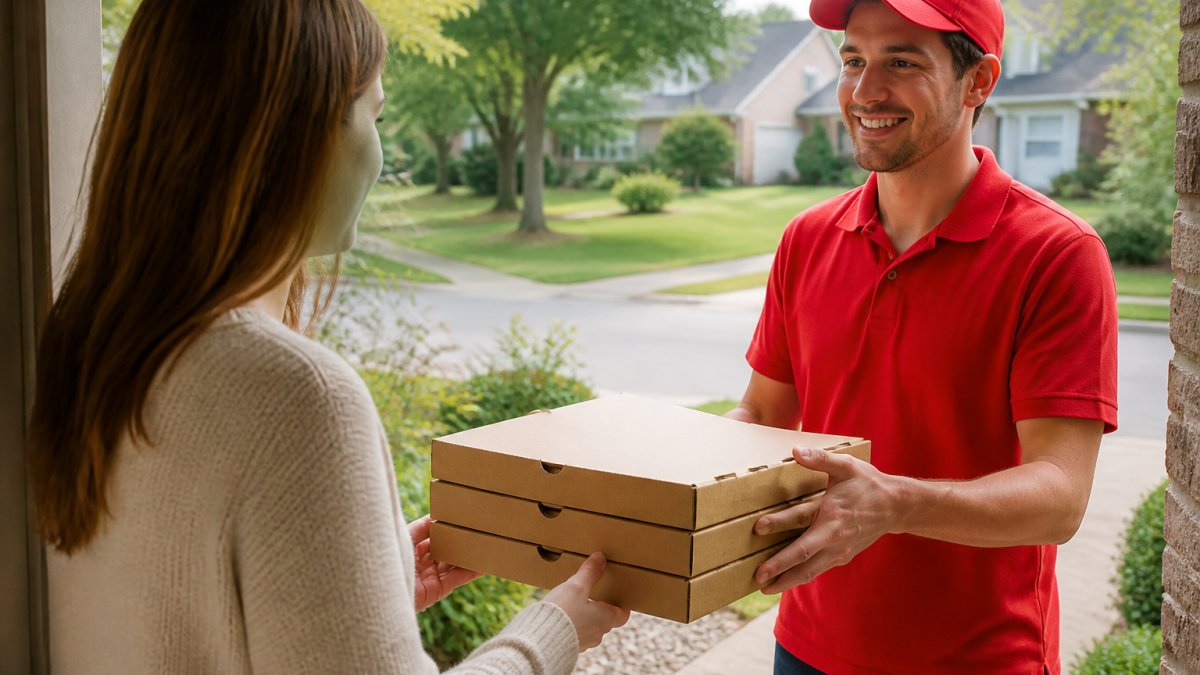
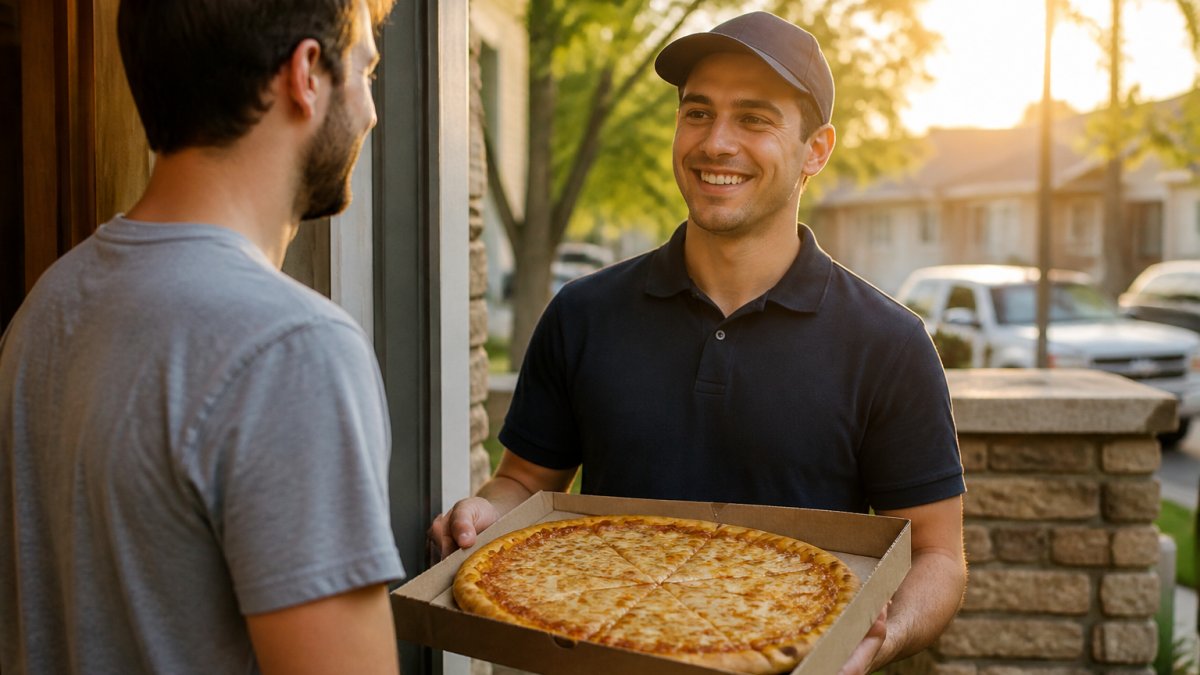
- Hand-Tossed Pizza Delivery: Getting Hot, Fresh Pizza to Your Door
- Finding Quality Hand-Tossed Pizza in Your Area
- Frequently Asked Questions
Last Updated: October 12, 2026
What Is Hand-Tossed Pizza and Why It Matters
Hand-tossed pizza is a fundamentally different approach to pizza-making than mass-produced alternatives. When you order authentic hand-tossed pizza near me, you're getting dough stretched and shaped by hand, creating a crust with character, texture, and flavor machines can't replicate.
At Wana Pizza, we've built our reputation on hand-tossed craftsmanship. The process demands skill, timing, and respect for the dough: a pizzamaker's hands shape the crust, feel its resistance, and develop its structure.
Why does this matter? Because the crust is the foundation of every pizza. A poorly made crust undermines even the finest toppings, while a great crust, proper rise, crispy edges, chewy interior, elevates everything on top of it. That's what hand-tossed pizza delivers.
Hand-Tossed vs. Thin-Crust Pizza: Key Differences
Hand-tossed and thin-crust pizza occupy different points on the pizza spectrum, each with distinct advantages. Understanding the differences helps you choose what appeals to your palate rather than defaulting to whatever's convenient.
Hand-tossed crust typically measures 1/4 to 1/2 inch thick, with visible air pockets and a structure that holds up to toppings without becoming soggy. The crust has give, it bends without breaking. Thin-crust pizza, by contrast, is deliberately crispy and flat, often 1/8 inch or less. It's designed to be eaten quickly, sometimes folded, and delivers maximum crunch with minimal chew.
The texture difference comes down to fermentation and rise time. Hand-tossed dough ferments longer, letting yeast develop flavor and create characteristic air pockets; thin-crust dough often skips extended fermentation, prioritizing speed and crispness. Hand-tossed delivers the complexity time creates; thin crust delivers simplicity and immediate satisfaction.
The topping ratio also differs. Hand-tossed pizza's structure supports generous toppings without collapsing, while thin crust works best with restraint, too many toppings weigh it down and make it soggy. Thin crust shines when you want to taste the dough, sauce, and two or three high-quality toppings; hand-tossed is the vehicle for loaded pies.
How Fresh Dough and Hand-Stretching Create Superior Crust
Fresh dough made from scratch is the non-negotiable foundation of hand-tossed pizza. Store-bought or frozen dough skips fermentation entirely, resulting in a flat, dense crust that tastes more like bread than pizza; made-to-order dough allows proper flavor and texture development.
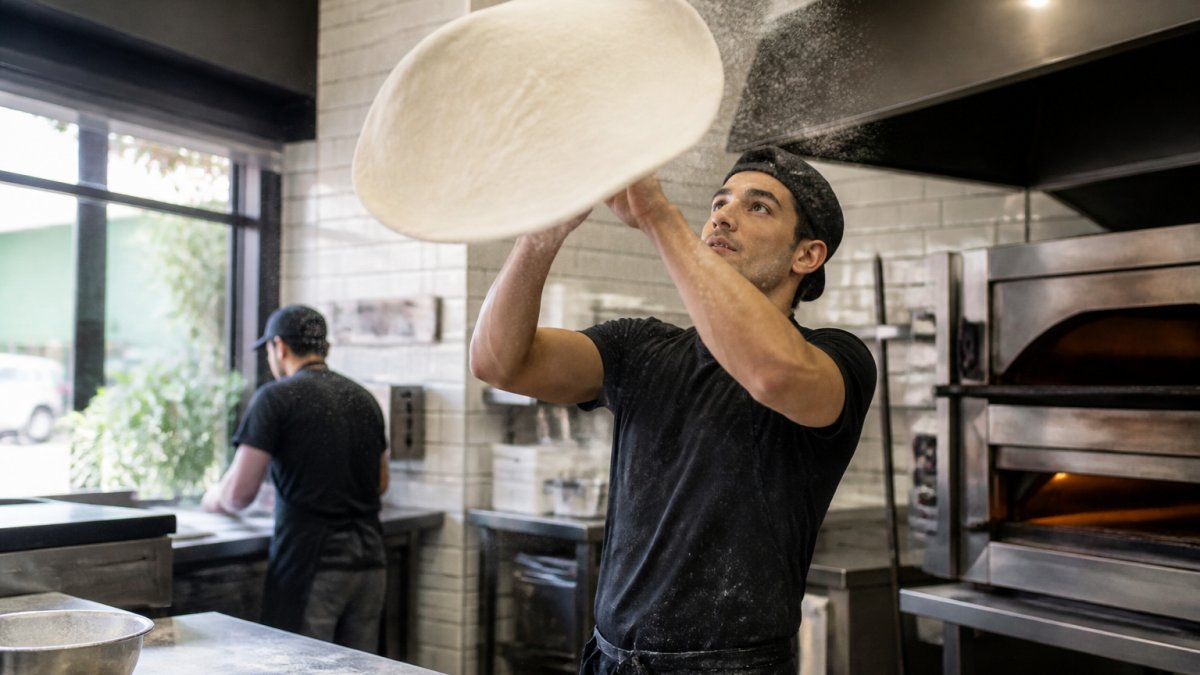
Hand-stretching serves multiple purposes beyond shaping. When a pizzamaker stretches dough by hand, they distribute yeast and bacteria evenly, align gluten strands, and build structural integrity. Machine-rolled dough gets compressed and loses its air pockets; hand-stretched dough retains them.
Proper dough proofing, the time dough spends rising after mixing, is where flavor develops. Yeast ferments sugars in the flour, creating complex flavors and CO2 gas that produces rise. Rush it and you get bland pizza; allow proper time and you get depth. Many pizzerias proof in-house, controlling the entire timeline rather than relying on pre-made dough that arrived partially aged.
Hand-stretching also creates the "crust edge" or "cornicione", the slightly thicker, airier rim framing the pizza. It should be chewy and substantial, almost crispy outside. Machines can't create this consistently; human hands, working with feel and experience, can.
Best Toppings for Hand-Tossed Pizza
Hand-tossed pizza's sturdier structure, roughly 1/4 to 1/2 inch thick with visible air pockets, carries more topping weight than thin crust without going soggy in the center. That's why loaded pies, multi-meat combinations, and vegetable-heavy builds work here.
What Each Topping Category Does to the Crust
| Category | Representative Options | Effect on Hand-Tossed Crust | Watch-Outs |
|---|---|---|---|
| Cheese | Whole-milk mozzarella, fresh mozzarella, low-moisture mozzarella | Whole-milk melts creamier and browns faster; low-moisture releases less water and keeps the center crisp | Fresh mozzarella can pool water and sog the middle if not drained |
| Sauce | Traditional red, sweet sauce, white/garlic | A balanced sauce complements the fermented dough flavor; heavy sauce adds moisture the crust must absorb | Over-saucing is the most common cause of a soggy hand-tossed center |
| Meat | Pepperoni, Italian sausage, bacon, meatball | The crust's structure supports the weight; cupped pepperoni renders fat that can pool | Too many greasy meats at once can overwhelm the base |
| Vegetables | Mushrooms, bell peppers, onions, fresh basil | Best added pre-bake for water-heavy veg (mushrooms, peppers) and post-bake for delicate herbs (basil) | Raw watery veg added late steams the crust instead of roasting |
| Specialty finishes | Garlic butter crust, herb oil, grated hard cheese | Adds richness to the cornicione without adding topping weight | Finishes can mask a weak crust, test the plain cheese first |
Dietary and Allergen Considerations
- Vegetarian: Straightforward on hand-tossed, cheese, vegetable, and white pizzas are naturally meat-free.
- Vegan: Requires both dairy-free cheese and a dairy-free crust. Many hand-tossed doughs are flour, water, yeast, salt, and oil, often already vegan, but some recipes include milk, butter, or honey.
- Gluten-free: A true hand-tossed wheat crust cannot be gluten-free. Some pizzerias offer a separate gluten-free dough, but it is typically pressed or rolled rather than hand-tossed because gluten-free dough lacks the elasticity to stretch in the air.
- Common allergens: Wheat (crust), milk (cheese, some doughs), and soy (some sauces and cured meats) are the usual suspects.
How to Order Without Overpaying
Pricing varies widely by market and topping count, so treat any single number as a starting point. The common pattern is a base cheese price plus a per-topping charge, with premium toppings (extra cheese, premium meats, fresh mozzarella) priced higher than standard vegetables.
Customization Mechanics to Look For
Not all ordering systems are equal. Ones that treat customization as normal, crust thickness, sauce amount, half-and-half toppings, extra cheese on one side, give you more control than preset combos. If you have dietary needs, a system that lets you remove or swap ingredients beats fixed builds.
Hand-Tossed Pizza Delivery: Getting Hot, Fresh Pizza to Your Door
Delivery logistics matter more than most people realize. A perfectly made hand-tossed pizza can arrive lukewarm with congealed cheese if the delivery chain isn't right. Temperature retention, timing, and packaging all factor into what you receive.
Quality pizzerias take delivery seriously because their reputation depends on it. The pizza leaves the oven at peak temperature and needs to stay that way, insulated boxes help, and a 20-minute delivery window is very different from a vague "up to 2 hours" promise.
Online ordering has become standard, but not all systems are equal. Some allow genuine customization, choosing crust thickness, sauce amount, specific toppings. Others offer only preset combinations.
Delivery areas vary. Some pizzerias serve a defined radius; others expand seasonally or based on driver availability. Many publish their zones clearly, if they don't, a quick call answers the question directly.
Finding Quality Hand-Tossed Pizza in Your Area
This section gives you a repeatable way to compare nearby options on what actually predicts whether the crust is real hand-tossed work or a marketing claim.
A Transparent Evaluation Method
Score each candidate on the five criteria below.
| Criterion | What to Look For | Red Flag | Why It Predicts Quality |
|---|---|---|---|
| Dough origin | Made in-house, fresh daily; staff can describe fermentation time | Pre-made, frozen, or "we use a proprietary mix" with no detail | Fresh fermented dough is the single biggest driver of crust flavor and air pockets |
| Crust texture | Chewy interior, crispy edges, visible air pockets, bends without breaking | Dense, flat, or soggy center; uniform machine-like edge | Air pockets and chew are the observable signs of hand-stretching and proper proofing |
| Sauce balance | Balanced, not overpowering; consistent across visits | One-dimensional, overly acidic, or applied so heavily the center sogs | Sauce volume is the most common cause of a soggy hand-tossed pie |
| Cheese behavior | Melts evenly, creamy when hot, doesn't congeal into rubber when cooled | Rubbery or greasy pool when cooled | Cheese quality and blend show up most clearly after the pizza sits |
| Consistency | Same result across multiple visits and times of day | Great on a slow Tuesday, poor on a busy Friday |
How to Compare Nearby Options Side by Side
Once you have two or three candidates, line them up on the practical details that decide where you order tonight:
- Style: Is it New York-style (large, thin-to-medium, foldable), Neapolitan (smaller, softer, charred), or a house hand-tossed style? The label matters less than whether the crust matches what you want.
- Crust thickness: Ask or check photos. 1/4 inch and 1/2 inch eat very differently.
- Price range: Compare base cheese price and per-topping charge together, not separately.
- Dining options: Counter service, full table service, or takeout-only? This affects wait time and whether you can ask the staff questions directly.
- Ordering methods: Phone, first-party website, or third-party app?
- Delivery radius and timing: Confirm the service area covers your address and ask for a realistic delivery window, not a marketing range.
- Dietary options: Vegetarian, vegan, and gluten-free availability, plus whether the kitchen can handle allergen requests.
- Accessibility: Step-free entry, accessible restrooms, and seating that accommodates mobility devices if you plan to dine in.
Location-Aware Tips That Actually Help
- Search by your delivery address, not your city name. City-level results often surface places that don't deliver to your block.
- Check the service radius before you build an order. Some pizzerias publish zones; others will tell you on a call. Knowing this prevents the disappointment of a cart you can't check out.
- Weight recent reviews over old ones. A place that was excellent two years ago and changed owners will show up in the last six months of reviews, not the all-time average.
- Look for independent corroboration. If the same pizzeria shows up in a local editorial roundup, a neighborhood forum, and multiple recent reviews, that's a stronger signal than any single source.
Evidence You Can Trust
A useful guide should tell you how its recommendations were formed. The most reliable signals are firsthand: a visit during both a slow and a busy period, a plain cheese pie as the control, and notes on crust, sauce, and cheese taken while the pizza is hot. Photos of the actual cornicione, the raised rim, beat styled marketing shots because they show air pockets and browning. When a guide can't show that evidence, treat its rankings as a starting point, not a verdict.
Frequently Asked Questions
What makes hand-tossed pizza different from other crust types?
Hand-tossed pizza starts with fresh dough that's stretched and shaped by hand rather than pressed by machine. This technique creates a crust with irregular thickness, a chewy interior, and crispy edges that develop character during baking. The hand-tossing process also incorporates air into the dough, resulting in a lighter texture that machine-pressed crusts can't replicate. Fresh dough made from scratch, proofed properly, and hand-stretched delivers the authentic flavor and texture that pizza enthusiasts seek.
How long does hand-tossed pizza delivery typically take?
Hand-tossed pizza delivery times vary based on your location and the pizzeria's current order volume. Because hand-tossed pizza is made fresh to order, the dough must be prepared and stretched, topped, and baked before delivery. Quality pizzerias prioritize getting your pizza hot and fresh over rushing the preparation process.
What toppings work best on hand-tossed pizza?
Hand-tossed pizza's chewy crust and crispy edges pair well with fresh, quality toppings that won't weigh down the dough. Classic combinations include fresh mozzarella, basil, and tomato for a traditional approach. Meats like pepperoni, sausage, and bacon work excellently because they crisp up during baking. Fresh vegetables such as mushrooms, peppers, onions, and spinach add flavor without excessive moisture. Garlic butter crust finishes, fresh herbs, and signature sauces, like the sweet sauce some regional pizzerias feature, enhance the hand-tossed crust's natural texture and flavor. The key is balance: quality ingredients that complement rather than overwhelm the carefully crafted dough.
How can I tell if a pizzeria uses truly fresh, hand-tossed dough?
Authentic hand-tossed pizza shows visible signs of fresh preparation. Look for irregular crust thickness, slightly charred spots from the oven, and a crust that's crispy on the outside but chewy inside. Ask the pizzeria directly about their dough process: do they make it fresh daily in-house, or use pre-made dough? Customer reviews often mention the texture and quality of the crust, descriptions like 'light and airy' or 'melts in your mouth' indicate genuine hand-tossed preparation. Finally, the pizza should arrive hot and maintain its quality for a reasonable time after delivery, which happens when the foundation is properly made fresh dough.